
Envisioning the Future of Collaboration
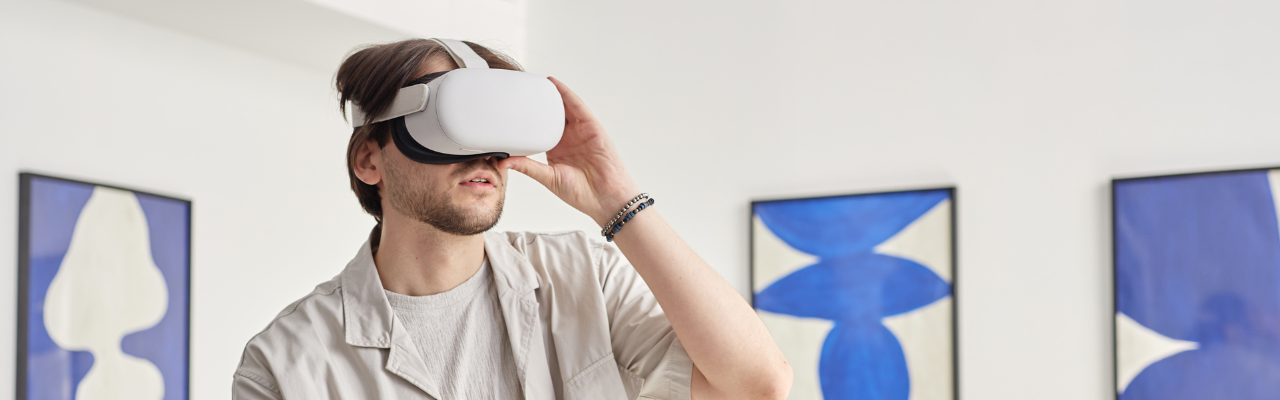
How Immersive Visualisation is Changing Workplace Design: Exploring the Impact of Immersive 3D Design on Modern Collaboration Spaces.
Workplace design is undergoing a transformation, where creativity, technology, and lived experience come together. Organisations are now keen to create environments that not only spark innovation but also support flexible, hybrid working. This has made immersive, user-friendly design methods more important than ever.
With immersive visualisation leading the way, teams can now ‘step inside’ their future workspace before any major decisions are made. So, how does this approach actually work in practice? Our advanced 3D design process is quickly setting a new standard for how AV experts, designers, and business leaders bring collaborative spaces to life.
Revolutionising AV Design
State-of-the-art visualisation platforms are transforming AV planning and workplace collaboration. Unlike static drawings, modern 3D tools let stakeholders immerse themselves in virtual workspaces, walk through designs, and adjust details in real time. This shift enables teams to collaboratively experience and refine future spaces before making decisions, setting a new standard for flexible, hybrid working environments.
Key Aspects of Immersive 3D Design
- Immersive 3D Visualisation: Modern 3D design transforms initial ideas into fully interactive environments. Stakeholders can explore everything from lighting and acoustics to furniture layout and AV setup, getting a genuine feel for how the space will look and work.
- Real-Time Collaboration: These platforms make it easy for everyone to join in, whether they’re in the room or joining remotely via Teams. This inclusivity means that AV integrators, HR, IT, and others can all contribute, no matter where they are or how technical they might be.
- 3D and Virtual Accessibility: Immersive design works both as hands-on 3D experiences and through web browsers, making realistic visualisation available to a wide audience. Designers and clients can sync up, make notes, and test out different ideas together, which makes feedback quicker and helps everyone reach agreement faster.
- Advanced Visualisation Tools: Users can easily switch between layouts, try out AV equipment placements, and simulate things like lighting or sound. Comprehensive libraries of products and objects take the guesswork out of the process, helping teams see the impact of their choices straight away.
How Immersive 3D Design Improves Collaboration and Decision-Making
Switching from paper plans to immersive 3D design is a genuine cultural shift. Teams can now experience and shape spaces together, reducing confusion and encouraging involvement. AV professionals quickly spot technical challenges, designers iterate faster, and business leaders see clearer value, resulting in AV spaces that meet everyone’s needs.
Main Advantages for Stakeholders and Organisations
- Clearer Alignment: By allowing everyone’s input to be visualised, immersive 3D design removes uncertainty and helps build agreement early in the process.
- Quicker Decisions: Instant visual feedback and the ability to make changes on the fly mean projects move faster, with fewer expensive last-minute surprises.
- Better Return on Investment: Thoughtful planning leads to spaces that are used more efficiently, with greater adoption of new technology and higher user satisfaction.
- Lower Risk: Spotting potential issues before construction begins minimises costly rework and helps everything run more smoothly.
Conclusion:
Paving the Way for the Future of Workplace Design with Immersive 3D Visualisation
Immersive design tools are revolutionising how we create collaboration spaces. With advanced 3D visualisation, design is faster, clearer, and more creative than ever.
Forget static drawings and text descriptions – true innovation comes from exploring, experimenting, and refining together. Embrace immersive AV visualisation to ensure every space is inclusive, efficient, and future-ready.
Curious? Book a 3D workspace walkthrough with our team and experience the future of workplace design first-hand.
Frequently Asked Questions
Immersive 3D design is changing the future of collaboration by letting teams experience a workspace before it is built or updated. That makes it easier to test layouts, review AV requirements, and align decisions across IT, facilities, and leadership. Learn more about New Era Technology’s integrated approach to modern workplace transformation.
Immersive visualisation tools are important because they turn workplace design from a static plan into something teams can explore and assess in context. This helps organisations spot issues earlier, reduce uncertainty, and create collaboration spaces that better support real working patterns. Explore more ideas in Envisioning the Future of Collaboration.
Immersive 3D design improves hybrid collaboration by giving in-office and remote stakeholders the same view of proposed spaces and technology choices. It supports faster feedback, better cross-functional planning, and more consistent decisions for the modern workplace. See how New Era supports hybrid work with its Workplace Readiness Assessment.
Immersive 3D visualisation improves AV design by helping teams review room layouts, sightlines, acoustics, and equipment placement before deployment. That leads to better planning, fewer design changes, and collaboration spaces that are easier for people to use. Discover New Era Technology’s broader technology solutions for modern workplaces.
Yes, workspace visualisation can reduce risk by helping teams identify design, technology, and usability issues before implementation begins. Early visibility often means fewer delays, less rework, and stronger confidence in workplace design decisions. If you are planning a transformation project, start with New Era Technology’s contact page.
Immersive collaboration spaces support better decision-making because stakeholders can compare options in a more realistic and practical way. Instead of interpreting static drawings, teams can understand how a space will function for meetings, hybrid working, and day-to-day collaboration. Learn how New Era connects workplace, transformation, and security through one integrated approach.
Businesses should prioritise flexibility, accessibility, AV performance, and ease of use when designing future-ready collaboration spaces. The most effective workplace design supports hybrid work, simplifies the user experience, and aligns technology choices with long-term business needs. A Workplace Readiness Assessment can help identify the right priorities.
Immersive workplace design improves return on investment by helping organisations make better decisions before committing budget to space changes or AV deployment. Clearer planning often leads to stronger adoption, fewer late-stage revisions, and better-performing collaboration spaces. To explore what that could look like in your environment, visit New Era Technology UK.