
Evolving Landscape of Physical Security in Retail Space
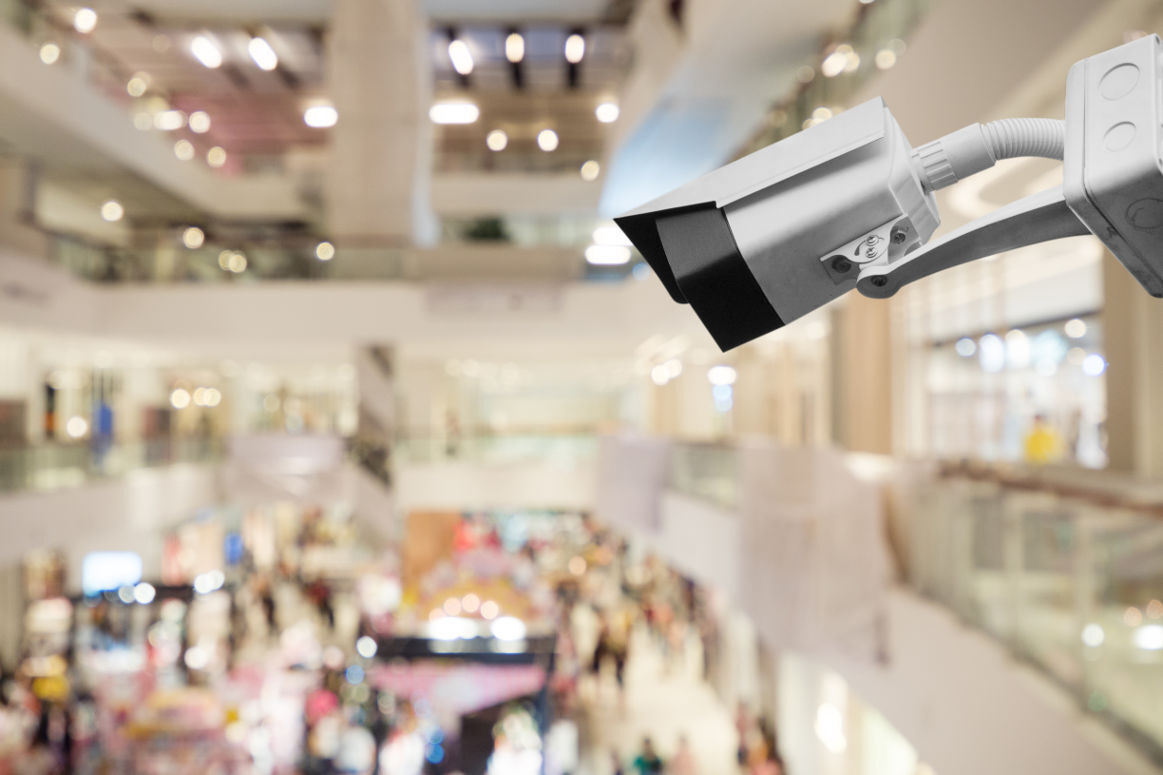
Retailers face increasing pressure to reduce shrinkage, protect employees and customers, maintain compliance, and operate efficiently across multiple locations. AI is transforming retail security by helping organizations detect threats faster, identify unusual activity in real time, and improve visibility across stores. More importantly, AI-powered security is no longer just about threat prevention. It is becoming a critical source of operational intelligence that helps retailers make faster decisions, improve store performance, and support broader retail operations.
Why Retail Security Challenges Are Growing
Retailers face a wide range of security challenges, including shoplifting, employee theft, break-ins, physical security incidents, and cybersecurity risks. These threats create direct financial losses while also affecting customer confidence, employee safety, and overall business performance. The growing complexity of modern retail environments makes it increasingly difficult to rely on traditional security approaches alone.
As retailers expand digital services, introduce self-service technologies, and operate across multiple locations, security systems must evolve from passive monitoring tools into intelligent platforms that support both protection and operational visibility.
The Hidden Cost of Shrink, Theft, and Security Incidents
Security incidents affect more than loss prevention metrics. Retailers that experience theft, break-ins, or other security events often face:
-
Inventory loss
-
Property damage
-
Employee and customer safety concerns
-
Loss of customer trust
-
Regulatory and compliance risks
-
Operational disruption
-
Increased security costs
These impacts extend beyond the security team. They affect store performance, profitability, customer experience, and the ability to operate efficiently across locations.
What AI Can Improve in Day-to-Day Store Operations
Many retailers view AI primarily as a security tool. In reality, AI can improve a wide range of daily operational processes.
Loss Prevention and Shrink Reduction
AI-powered video analytics can monitor activity continuously, identify unusual behavior patterns, and generate alerts when suspicious activity occurs. This allows security teams to investigate incidents faster and focus resources where they are needed most.
Operational Visibility
Modern video systems provide more than recorded footage. AI can help retailers gain visibility into store activity, identify operational bottlenecks, and recognize patterns that may impact performance across locations.
Multi-Location Management
Retailers operating dozens or hundreds of stores benefit from centralized visibility. AI-powered monitoring tools help identify issues that might otherwise go unnoticed, supporting more consistent operations across locations.
Staffing and Customer Flow
Video analytics can help retailers better understand how customers move through stores, identify congestion points, and evaluate operational efficiency. These insights support better staffing and customer experience decisions.
Why Data Latency Breaks Retail Decision-Making
Retail decisions are only as good as the data supporting them.
Many organizations continue to rely on delayed information from security systems, inventory systems, and operational reporting tools. By the time reports are reviewed, the opportunity to respond may already be gone.
AI depends on timely, accurate information. When data is delayed, stores become reactive rather than proactive. Retailers need access to real-time operational data that allows security teams, managers, and executives to identify issues as they happen and take action more quickly.
This applies equally to security incidents, inventory changes, customer traffic patterns, and store performance metrics. Real-time visibility is often the difference between preventing a problem and reacting to one.
How AI Supports Personalized Offers, Checkout Speed, and Inventory Decisions
While AI-powered security is often associated with loss prevention, its value extends far beyond security operations.
When retailers combine video analytics, inventory systems, customer data, and operational workflows, AI can help support:
- Personalized customer experiences
- Targeted promotions and offers
- Faster checkout experiences
- Improved inventory visibility
- Better replenishment decisions
- More informed operational planning
The ability to connect data across systems creates a more complete view of store operations and customer behavior. This allows retailers to move beyond isolated systems and make decisions based on real-time business intelligence rather than assumptions.
How AI Video Analytics Are Transforming Retail Security
Traditional surveillance systems require constant monitoring and often produce large volumes of video that are difficult to review.
AI-powered video analytics help solve this challenge by automatically analyzing video feeds and identifying activity that requires attention.
Capabilities may include:
- Motion detection
- Object tracking
- Movement analysis
- Automated alerts
- Activity recognition
- Video alarms
- Intelligent monitoring
These tools help security teams focus on meaningful events instead of manually monitoring every camera feed. They also improve response times and provide greater visibility into what is happening across retail locations.
Where Retailers Should Start First
Many retailers assume AI requires a large-scale transformation project. In practice, the most successful initiatives often start with clearly defined operational challenges, and can include:
- Loss prevention
- Shrink reduction
- Video surveillance modernization
- Multi-location monitoring
- Security operations visibility
- Data integration and reporting
Beginning with these foundational areas allows retailers to generate measurable value while building the infrastructure and operational workflows needed to support broader AI initiatives.
Physical Security Is Part of a Smarter Retail Operations Strategy
Modern retail security is no longer limited to cameras, alarms, and access control systems.
AI-powered security technologies are becoming valuable sources of operational intelligence that help retailers improve visibility, reduce losses, support compliance, and make faster decisions. Organizations that connect security data with broader operational workflows gain a more complete understanding of how stores perform and where improvements can be made.
As retailers continue investing in AI, the most successful organizations will be those that build a foundation of connected systems, reliable infrastructure, and real-time operational data.
AI-powered video analytics can identify unusual activity, monitor high-risk areas, track movement patterns, and generate alerts when suspicious behavior is detected. These capabilities help retailers respond more quickly to potential incidents and reduce losses from theft and other security events.
AI-powered video analytics uses artificial intelligence to analyze video feeds and identify specific events, behaviors, objects, or movement patterns without requiring constant manual monitoring. These systems can help security teams detect threats faster and improve operational visibility.
Retailers can improve physical security across multiple locations by standardizing security technology, centralizing monitoring, implementing AI-powered analytics, and maintaining consistent security processes across stores. This approach improves visibility and helps security teams operate more effectively at scale.
Modern retail security strategies often include AI-powered video analytics, video surveillance, intrusion detection systems, cloud-connected platforms, access control systems, cybersecurity protections, device monitoring, and managed security services.
Real-time data enables retailers to identify incidents faster, improve response times, and make more informed operational decisions. Delayed information can limit the effectiveness of both security operations and business decision-making.
Successful AI retail security initiatives require reliable networks, modern video systems, cloud connectivity, cybersecurity controls, integrated data sources, and ongoing monitoring. These foundational technologies help ensure AI tools can deliver meaningful insights and support business objectives.
Effective security systems do more than protect assets. They provide operational visibility, help reduce shrink, support employee and customer safety, improve compliance efforts, and contribute valuable insights that support better decision-making across retail operations.