
Next-Generation Video Surveillance Cameras: AI, Cloud, and Cost-Efficient Security
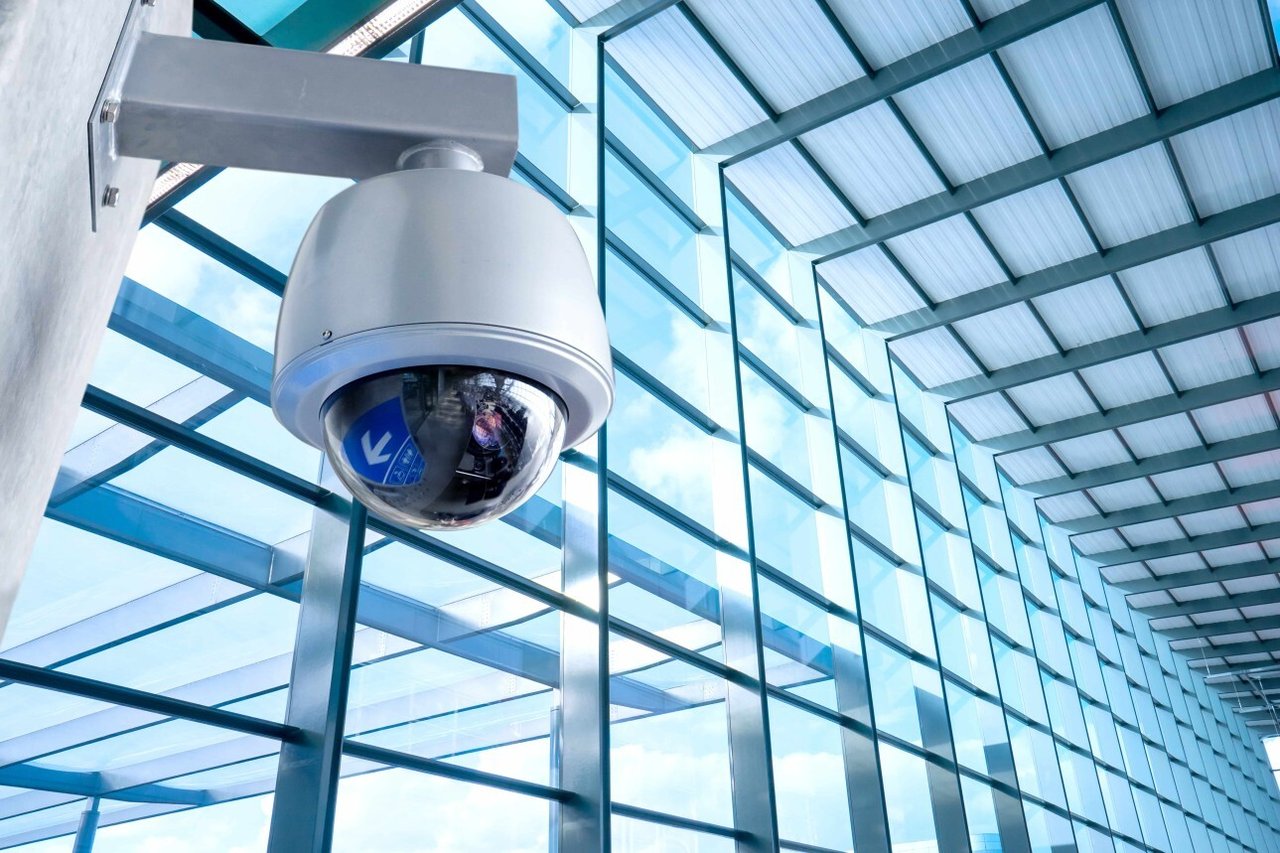
Protecting your people, property, and operations requires more than just recording events — it requires intelligent, proactive security. Today’s video surveillance systems have evolved far beyond traditional HD cameras, becoming integrated platforms that deliver real-time insights, automation, and long-term value.
For many organizations, cost has historically been the biggest barrier to upgrading video surveillance systems. While cameras themselves have become more affordable, infrastructure challenges — such as storage, bandwidth, and cabling — have traditionally driven up expenses. Today, those limitations are rapidly disappearing thanks to several key innovations.
Smarter, More Efficient Video Capture and Storage
Modern surveillance systems are designed to capture higher-resolution video while minimizing network resource consumption. Advanced video compression standards significantly reduce the amount of data required to store and transmit high-quality video. Combined with intelligent encoding techniques, these technologies prioritize meaningful changes in a scene rather than continuously recording redundant data.
At the same time, edge-based processing is transforming how video is handled. The result is a more efficient infrastructure that supports higher resolution, longer retention periods, and real-time access — without the significant storage costs that once limited system upgrades.
The Rise of AI-Powered Video Analytics
Today’s cameras are no longer passive recording devices — they are intelligent endpoints capable of analyzing activity in real time. AI-powered video analytics can identify people, vehicles, and objects, detect unusual behavior, and trigger automated alerts.
Use cases now extend far beyond traditional security, including:
- Proactive threat detection (loitering, unauthorized access)
- Safety and compliance monitoring (PPE detection, restricted zones)
- Operational insights (traffic flow, occupancy, customer behavior)
With these capabilities, video surveillance has become a strategic business tool — not just a security necessity.
Cloud and Remote Monitoring Capabilities
A major shift in modern surveillance is the move toward cloud-enabled platforms. Cloud-based video systems allow organizations to securely access live and recorded footage from anywhere, while simplifying system management and updates. Remote monitoring also enables centralized oversight across multiple locations, reducing the need for on-site personnel and improving response times during incidents.
Modernizing Legacy Systems Without Starting Over
Upgrading your surveillance infrastructure doesn’t always require a complete rip-and-replace approach. Many organizations can extend the life of existing systems by:
- Deploying hybrid systems that support both analog and IP cameras
- Phasing upgrades to prioritize critical coverage areas
Security, Privacy, and Compliance Considerations
As surveillance systems become more intelligent, organizations must also prioritize responsible deployment. Modern best practices include:
- Encrypting video data in transit and at rest
- Enforcing role-based access control and multi-factor authentication
- Regularly updating firmware and addressing vulnerabilities
- Conducting privacy impact assessments before deployment
- Establishing clear data retention and usage policies
Built for the Future of Security
Next-generation video surveillance systems deliver far more than improved image quality. They provide:
- Intelligent, AI-driven monitoring
- Scalable cloud and hybrid architectures
- Reduced bandwidth and storage requirements
- Seamless integration with broader security and IT environments
This evolution enables organizations to shift from reactive monitoring to proactive, insight-driven security — helping protect people and assets before, during, and after an event.
Learn How New Era Technology Can Help Upgrade Your Video Surveillance
New Era Technology helps organizations modernize their video surveillance environments with scalable, cost-effective solutions aligned to today’s security and operational demands. Contact New Era Technology to learn how to upgrade your infrastructure while maximizing performance, efficiency, and long-term value.
FAQ: Next-Generation Video Surveillance
A next-generation video surveillance system combines high-resolution cameras with AI-powered analytics, cloud or hybrid storage, and edge processing. These systems detect events in real time, automate alerts, and deliver operational insights beyond basic recording.
Modern systems use advanced compression such as H.265 along with intelligent encoding to prioritize motion and meaningful activity. Edge processing further reduces bandwidth by analyzing video locally before transmitting only relevant data.
AI-powered surveillance enables real-time detection of people, vehicles, and unusual behavior, allowing faster response times and reduced manual monitoring. It also supports safety compliance and operational analytics.
Yes. Hybrid systems, HD-over-coax, and Ethernet-over-coax solutions allow organizations to reuse existing infrastructure and upgrade in phases, reducing costs and minimizing disruption.
HD analog cameras transmit video over coaxial cables to a DVR, while IP cameras transmit digital video over a network. IP cameras offer higher resolution, remote access, and built-in analytics, making them better suited for modern environments.
Cloud-based systems can be highly secure when configured correctly, with encryption, strong access controls, multi-factor authentication, and regular updates.
Organizations should define clear data usage policies, limit camera coverage to necessary areas, implement access controls, and comply with applicable regulations. Privacy impact assessments help ensure responsible deployment.